

Acute Wry Neck
Acute wry neck, clinically known as acute torticollis, is a sudden onset neck condition that can appear without warning — often when waking up or after an awkward head movement. It typically causes sharp neck pain, restricted movement, and an abnormal head position, and is a very common musculoskeletal complaint seen in physiotherapy clinics.
What is acute wry neck?
Acute wry neck is characterised by:
Sudden neck pain and stiffness
Difficulty or pain with turning the head
Muscle spasm and tightness
A tilted or rotated head position (often holding the head slightly to one side)
This condition can significantly interfere with everyday activities such as driving, reading or working at a computer.
Common Causes
Multiple tissues may be involved, but the most commonly described mechanisms include:
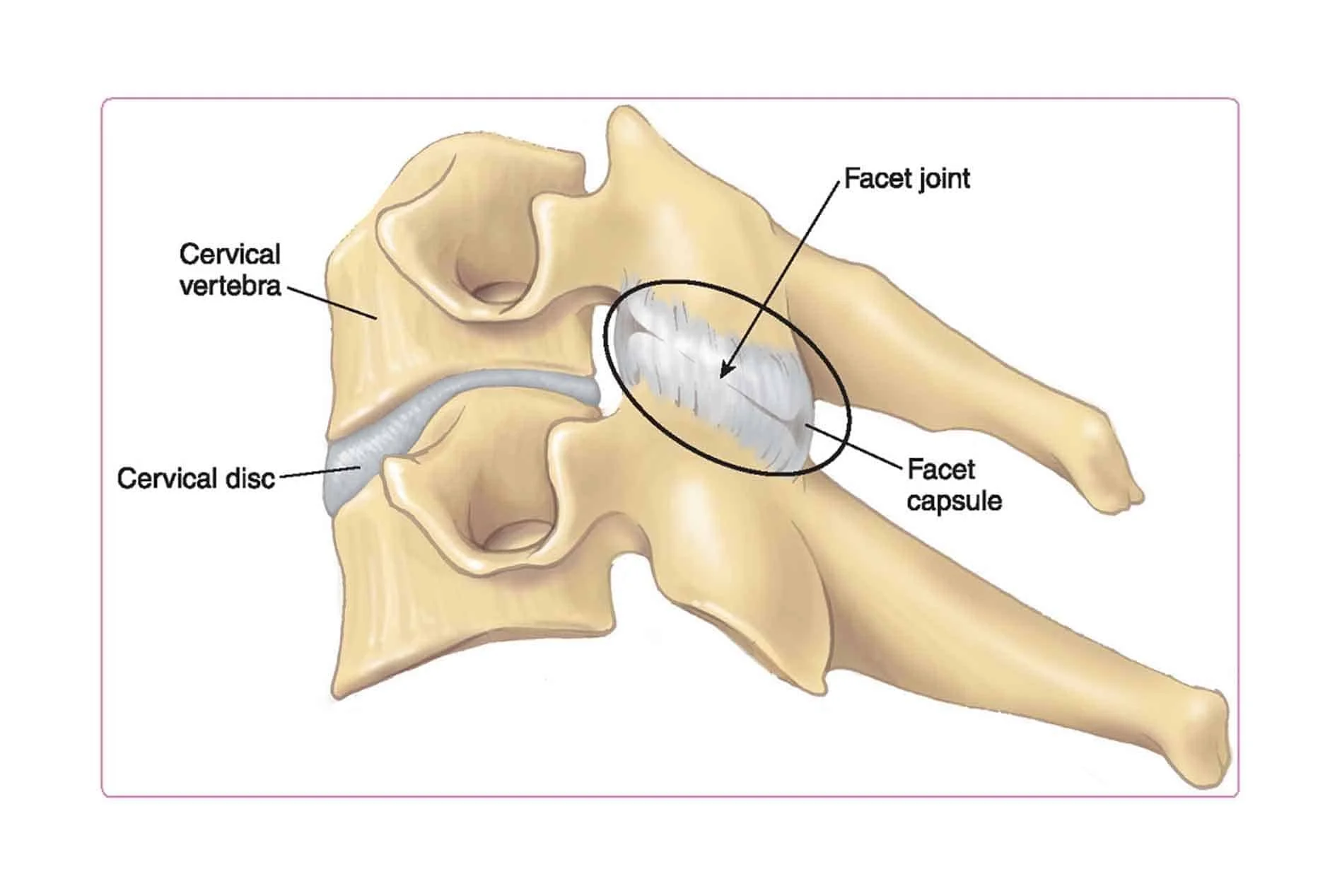
1. Facet Joint Dysfunction
The small joints at the back of the cervical vertebrae — called facet joints — guide and limit neck motion. If one of these joints becomes irritated, “locked”, or mechanically restricted, surrounding muscles reflexively tighten to protect the area, leading to pain and restricted movement.
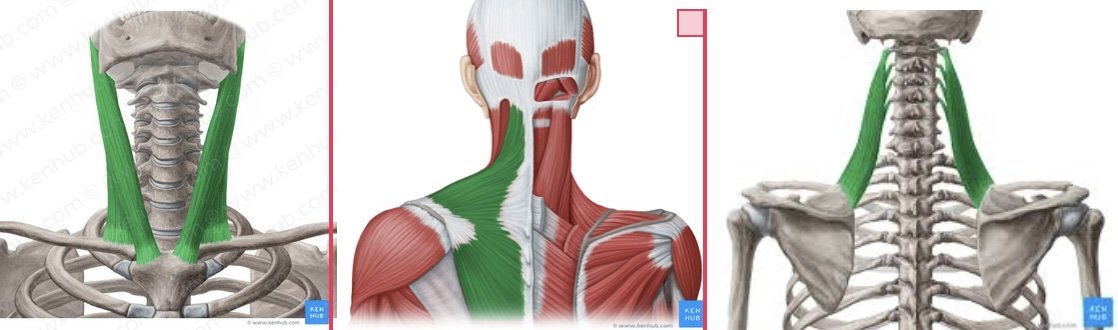
2. Muscle Spasm
Neck muscles including the sternocleidomastoid (SCM), trapezius or levator scapulae can go into a painful spasm, further restricting movement and causing the head to appear tilted or rotated.
Risk Factors
While the exact trigger isn’t always clear, episodes commonly occur after:
Sleeping in an awkward position or on an unsupportive pillow
Prolonged poor posture (e.g., slouched at a desk)
A sudden unguarded neck movement
Muscle strain from overuse or poor ergonomics
Common Symptoms
Sudden pain in one side or the middle of the neck
Muscle tightness, stiffness, or “locking”
Limited and painful neck movements, especially turning or tilting
Muscle spasm and tightness that may refer toward the shoulder blade
A tilted head or rotated chin position that feels stuck
Physiotherapy Assessment
Take a detailed history of how symptoms started
Assess neck posture, movement, muscle tone and joint function
Check for red flags (e.g., neurological symptoms that need medical review)
Identify contributing factors like poor posture or weak muscular control
Most cases do not require imaging unless there are neurological or serious signs.
Physiotherapy Management
Physiotherapy focuses on reducing pain, restoring neck movement, and preventing recurrence. Treatment plans are individually tailored but commonly include:
Pain Relief & Early Management
Heat or cold therapy for pain and muscle relaxation
Gentle stretching to ease muscle tightness
Manual therapy (joint mobilisation, soft tissue release) to restore movement
Manual Therapy
Hands-on techniques such as:
Joint mobilisation to improve facet joint movement
Soft tissue mobilisation and massage to reduce muscle spasm
Dry needling where appropriate to relax trigger points
Therapeutic Exercises
Once pain settles, targeted exercises help restore normal mechanics:
Gentle range of motion to help regain movement
Muscle activation exercises for deep neck stabilisers
Strengthening and posture training to support the neck and upper back
Recovery & Prevention
Most people with acute wry neck recover within days to a few weeks, especially with early physiotherapy involvement. Without treatment, symptoms can take longer to settle and may be more likely to recur.
Prevention includes:
Improving neck and shoulder posture
Strengthening deep neck and shoulder blade muscles
Optimising workstation setup
When to Seek Medical Review
Seek prompt medical care if you experience:
Arm numbness, tingling or weakness
Difficulty walking or balance issues
Severe headaches or neurological symptoms
Symptoms that don’t improve over time
Conclusion
Acute wry neck can be scary and painful, but most cases respond very well to physiotherapy. Early assessment and targeted care can help you regain comfortable movement faster, and reduce the risk of it happening again.